

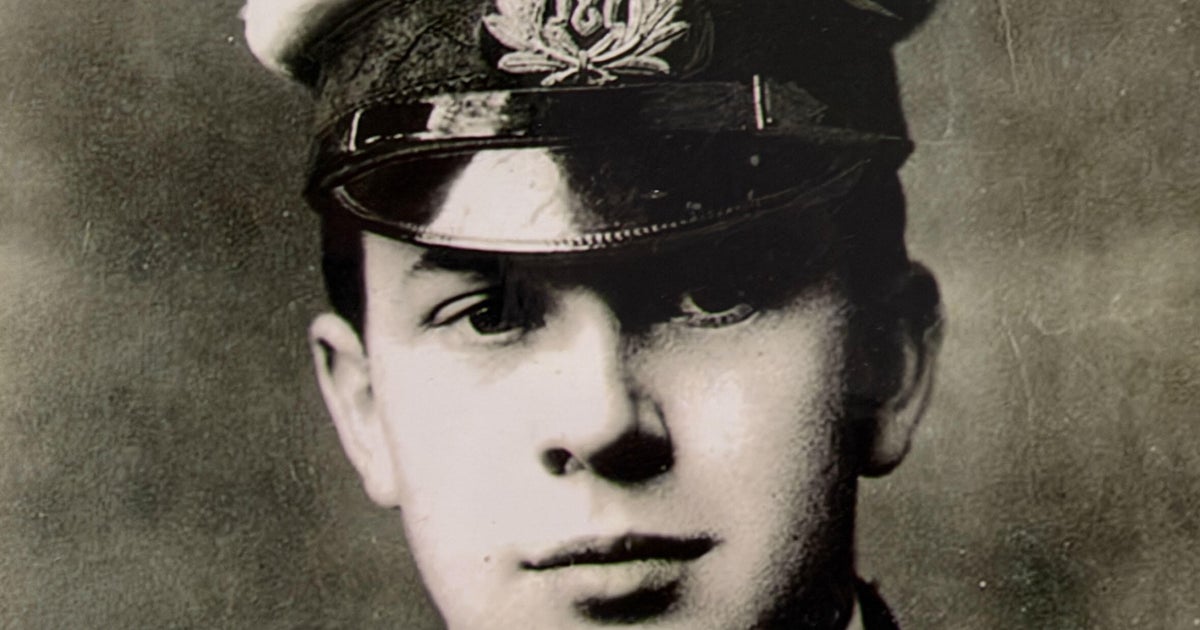
A rare postcard from a Titanic crew member that features the famed ocean liner and was sent less than a week before its doomed voyage in 1912 sold at auction for over $41,000, according to a U.K. auction house.
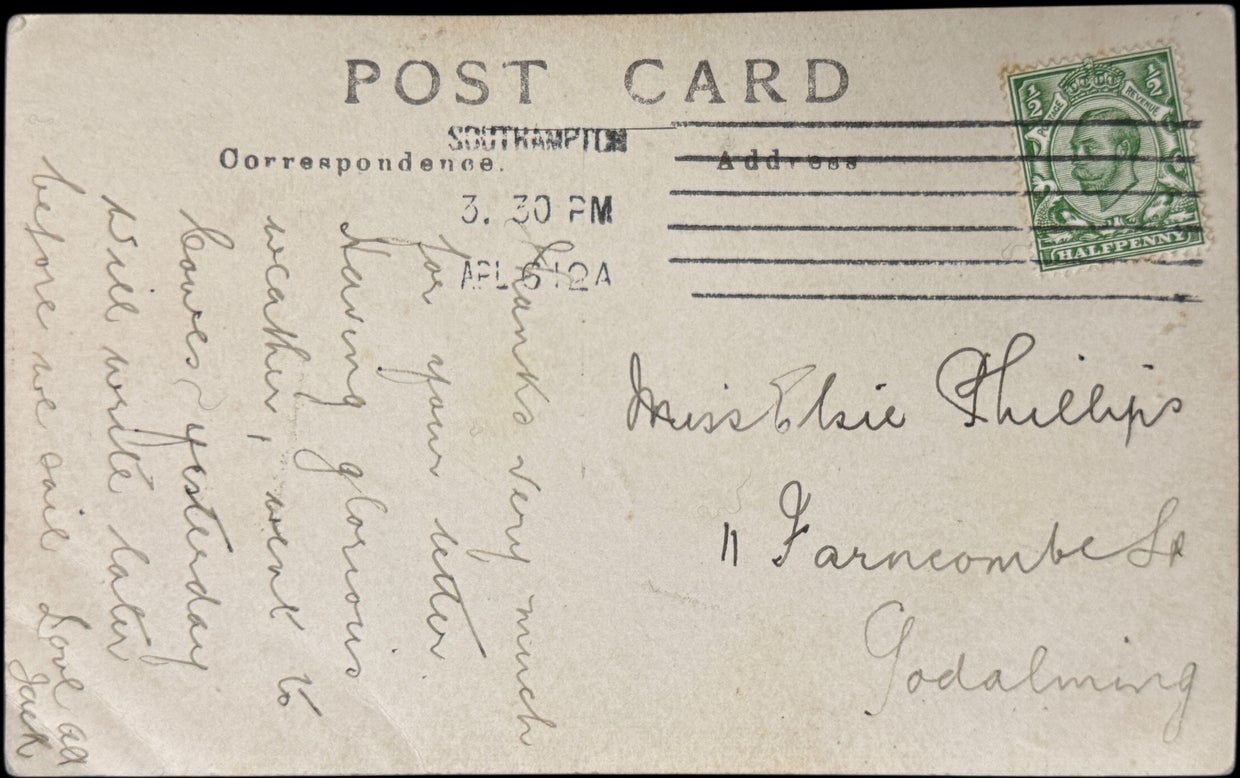
The postcard from Jack Phillips, the Titanic’s chief radio officer, was postmarked April 6, 1912, four days before the ill-fated ship set sail on its maiden voyage across the Atlantic from Southampton, England, for New York City.
Phillips, who turned 25 on the ship, sent the postcard to his sister, Elsie Phillips, according to auction house Henry Aldridge and Son Ltd.
Thanks very much for your letter
“Thanks very much for your letter. Having glorious weather, went to Cowes yesterday. Will write later before we sail. Love all, Jack,” Phillips wrote on the back of the postcard.
Henry Aldridge and Son Ltd.
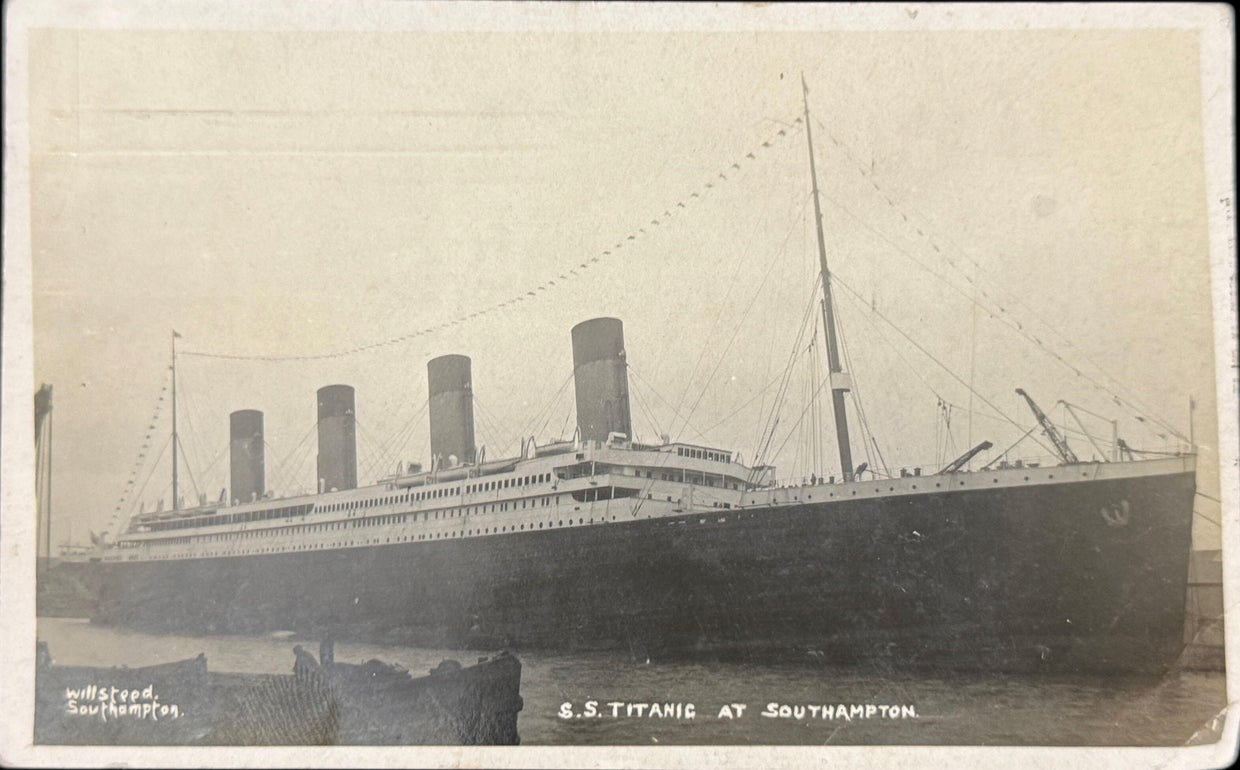
The front features a picture of the Titanic at Southampton in southern England. The auction house said the postcard was in “very good to fine condition, with some light soiling and toning.”
Henry Aldridge and Son Ltd.
According to the auction house, the postcard sold for 32,000 British pounds, or around $41,800. With taxes and fees, the final cost was 40,000 pounds, or around $52,300.
During the trans-Atlantic crossing, on the night
During the trans-Atlantic crossing, on the night of April 14, 1912, the Titanic struck an iceberg and eventually sank, killing over 1,500 people.
As the Titanic was filling with water, Phillips stayed at his post and tried to get other ships to come to the rescue of the ocean liner’s approximately 2,200 passengers and crew.
Henry Aldridge and Son Ltd.
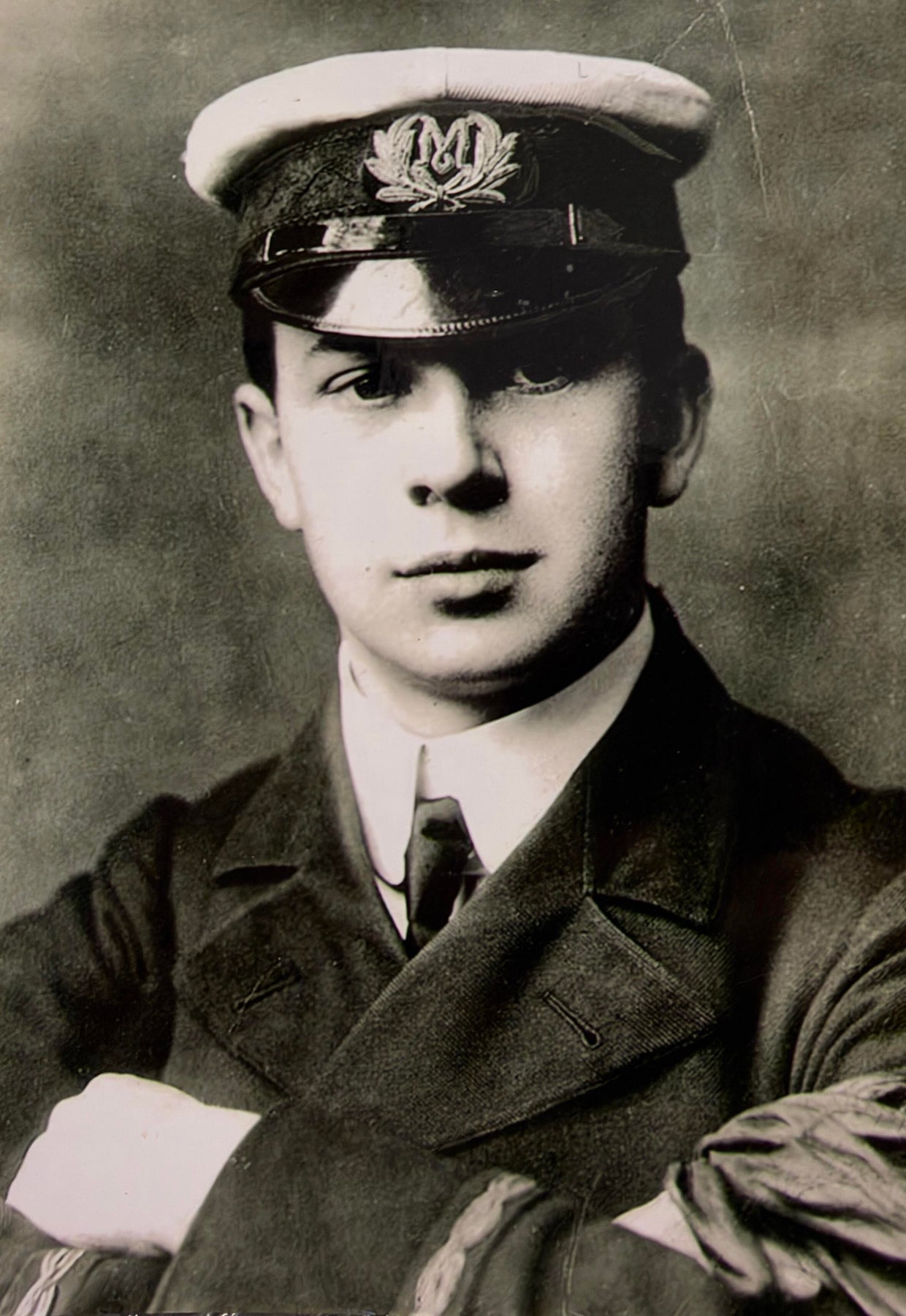
According to the auction house, Phillips abandoned ship when the water reached his station, and he ultimately died from exposure to the severe cold on an overturned collapsible lifeboat.
The ship’s junior wireless officer, Harold Bride, hailed
The ship’s junior wireless officer, Harold Bride, hailed Phillips for his efforts, calling him “the man who saved us all,” according to the auction house.
Bride and Phillips, who also handled messages for passengers, received multiple iceberg warnings from other ships during the voyage and sent most of them along to the bridge. On the night the Titanic struck the iceberg, one warning about an ice field from another ship, the Mesaba, didn’t make it to the bridge.
